Ministry Takes Decisive Action Against Non-Compliant Cable Operators
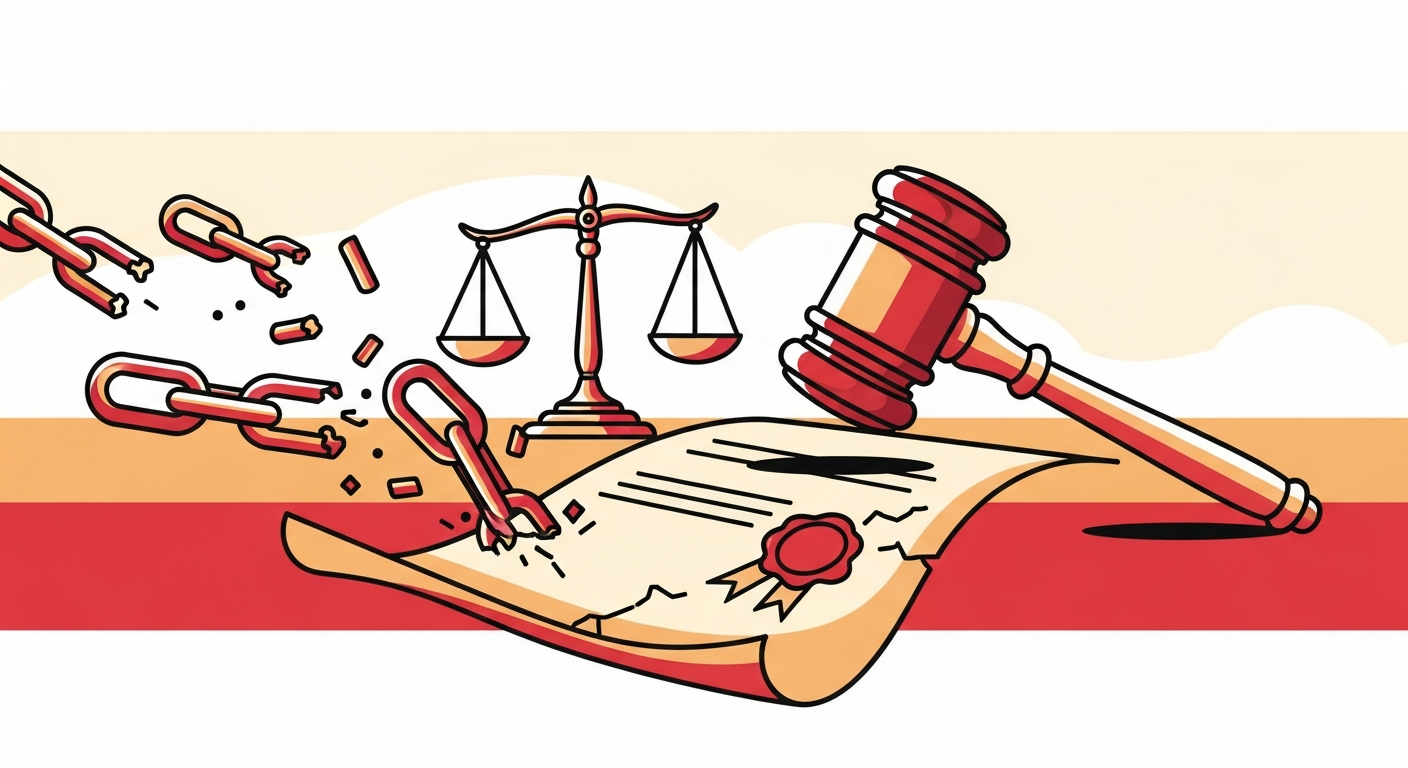
The Ministry of Information and Broadcasting (MIB) has cancelled the registrations of 114 multi-system operators (MSOs) across India in a significant compliance crackdown that underscores the government's commitment to enforcing regulatory standards in the cable television distribution sector. This sweeping action represents one of the largest deregistration drives in recent years and signals a hardened stance against operators failing to meet mandatory compliance requirements.
The cancellations follow an intensive audit and verification process conducted by the ministry to ensure that all cable operators operating in the country adhere to the prescribed regulatory framework. Officials stated that the operators in question had repeatedly failed to comply with essential guidelines, including proper registration renewal, subscriber management protocols, and adherence to content distribution norms.

Compliance Failures Trigger Government Response
According to sources within the MIB, the 114 operators were identified through a systematic review of registration records and compliance documentation. The primary violations cited include expired or lapsed registrations, failure to submit mandatory annual reports, non-payment of regulatory fees, and inadequate infrastructure standards required for legitimate cable distribution operations.
The ministry emphasized that these operators had been given multiple opportunities to rectify their status through notices and formal communications before the final decision to cancel their registrations was made. Despite these warnings, the operators failed to take corrective measures, leaving the MIB with no alternative but to proceed with deregistration.
Cable television remains a critical distribution medium in India, reaching millions of households across urban and rural areas. The regulatory framework governing MSOs is designed to protect consumer interests, ensure content compliance, and maintain operational standards across the industry. Non-compliant operators pose risks to both subscribers and the broader ecosystem.
Industry Impact and Subscriber Concerns
The mass cancellation is expected to create significant disruptions for subscribers served by these 114 operators, who will need to transition to compliant cable service providers in their respective areas. Industry analysts suggest that while the action demonstrates regulatory vigilance, it may also highlight systemic gaps in how smaller or regional operators manage compliance obligations.
The MIB has directed affected subscribers to approach alternative registered MSOs to restore their cable television services. Additionally, the ministry has urged consumers to verify their service provider's registration status through official channels to ensure they are receiving services from legitimate operators.
Trade bodies representing cable operators have previously raised concerns about the complexity of compliance procedures, particularly for smaller operators operating in tier-2 and tier-3 cities. However, ministry officials maintain that regulatory standards are non-negotiable and apply uniformly across all operators regardless of size or market presence.
Broader Regulatory Context
This enforcement action aligns with the MIB's broader digital and traditional media oversight mandate. In recent years, the ministry has intensified its focus on compliance across broadcast, digital, and distribution sectors. The move also reflects growing concerns about unauthorized cable operations and piracy in the television distribution chain.
The ministry has indicated that similar compliance drives will continue across other segments of the media and broadcasting industry. Operators are being advised to ensure their registrations are current, documentation is complete, and all regulatory requirements are met to avoid potential deregistration.
Conclusion
The cancellation of 114 MSO registrations represents a watershed moment in India's cable television regulation. While the action underscores the government's determination to maintain industry standards, it also serves as a cautionary reminder for operators to prioritize compliance. As the media landscape continues to evolve with digital disruption, regulatory oversight remains crucial to protecting consumer interests and maintaining a level playing field for legitimate service providers.
Media Khabar
Staff Writer · Media Khabar