Government Steps Up Enforcement Against Online Piracy
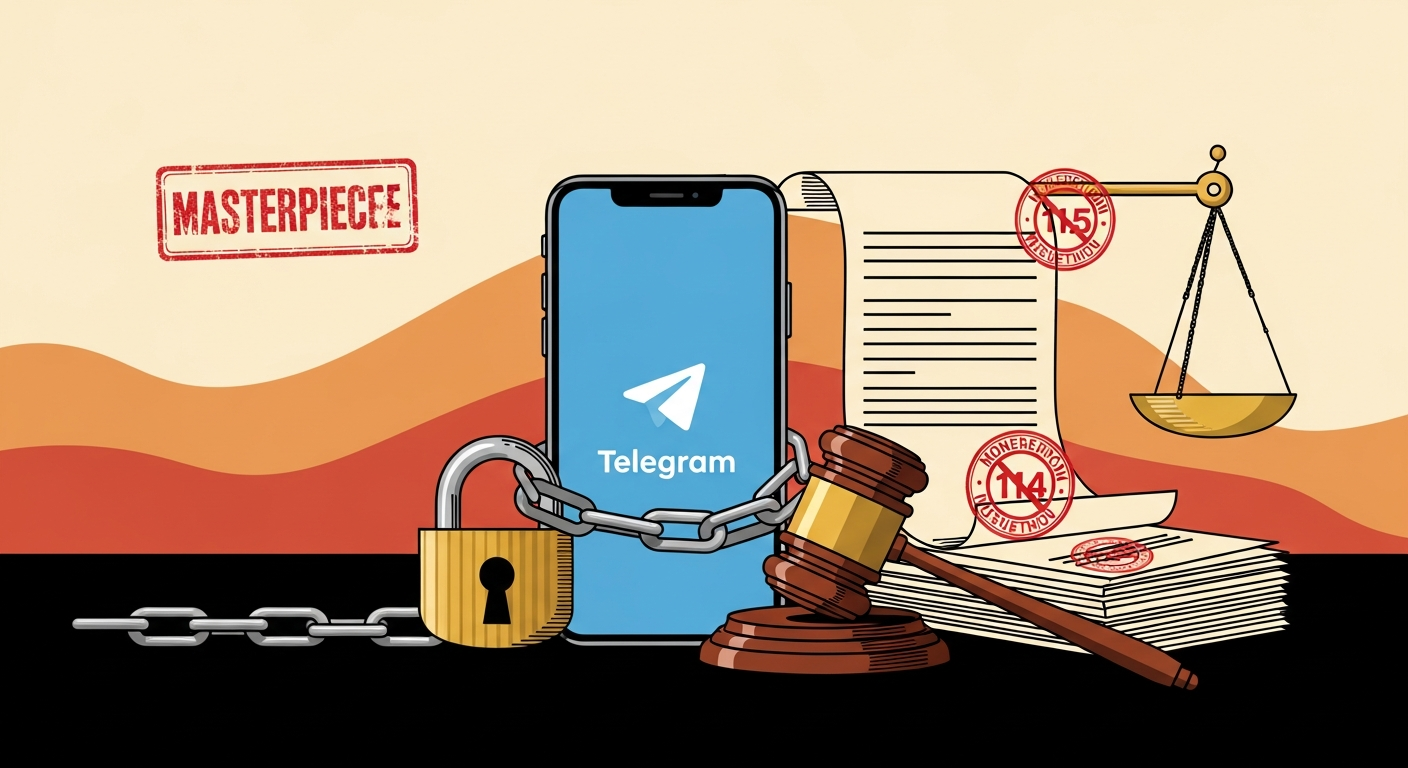
India's regulatory authorities have launched a significant crackdown on digital piracy, ordering the messaging platform Telegram to remove 3,142 channels facilitating illegal distribution of copyrighted content. Simultaneously, the government has blocked access to 800 websites engaged in piracy operations, marking one of the most aggressive enforcement actions against online copyright infringement in recent months.
The coordinated action reflects growing concerns among Indian policymakers about the scale of piracy operations exploiting digital platforms to distribute movies, television shows, music, and other protected content without authorization.
Telegram's Role in Piracy Distribution
Messaging applications like Telegram have emerged as preferred platforms for piracy networks due to their encrypted nature and difficulty in content moderation. The platform's channel feature allows administrators to broadcast content to large audiences, making it an ideal distribution mechanism for pirated material.
The 3,142 channels identified by Indian authorities were actively distributing copyrighted content, ranging from Bollywood films to international productions. Many of these channels operated with subscriber bases in the thousands, generating significant traffic and undermining legitimate content creators and distributors.
The directive issued to Telegram requires the platform to comply with government orders to remove these channels and prevent their re-establishment. Telegram's response to such requests remains under scrutiny, as the platform has historically maintained a hands-off approach to content moderation.
Website Blocking Expands Digital Enforcement
In parallel with the Telegram action, Indian authorities have blocked 800 websites known for hosting and streaming pirated content. These websites typically operate through multiple domain names and mirror sites to evade blocking measures, necessitating continuous regulatory vigilance.
The blocking of websites targeting piracy represents an extension of India's existing framework for digital enforcement. Internet service providers have been instructed to prevent user access to these domains, effectively cutting off a major distribution channel for illegal content.
Industry stakeholders have welcomed these enforcement measures, noting that piracy costs the Indian entertainment industry billions of rupees annually in lost revenue. Content creators, production houses, and streaming platforms have consistently advocated for stronger government action against online piracy.
Broader Context of India's Anti-Piracy Strategy
This enforcement action aligns with India's broader intellectual property protection initiatives. The government has been working to strengthen its digital copyright enforcement mechanisms, recognizing that traditional methods are insufficient against rapidly evolving piracy networks.
The Ministry of Information and Broadcasting, along with other relevant departments, has been coordinating with international organizations and platforms to combat piracy more effectively. Such actions demonstrate India's commitment to protecting intellectual property rights and supporting its growing creative industries.
Experts suggest that while blocking measures provide temporary relief, long-term solutions require a combination of technological innovation, consumer education about legal alternatives, and continued international cooperation. Affordable legal streaming options and increased availability of content have proven effective in reducing piracy in markets where they are implemented comprehensively.
Conclusion
India's intensified crackdown on digital piracy signals a strengthened commitment to protecting intellectual property in the digital age. By targeting both messaging platforms and websites, authorities are addressing multiple vectors through which pirated content reaches consumers. As the entertainment industry continues to expand digitally, such enforcement actions are likely to become more frequent and sophisticated, requiring ongoing coordination between government agencies, technology platforms, and content creators to maintain effectiveness.
Media Khabar
Staff Writer · Media Khabar