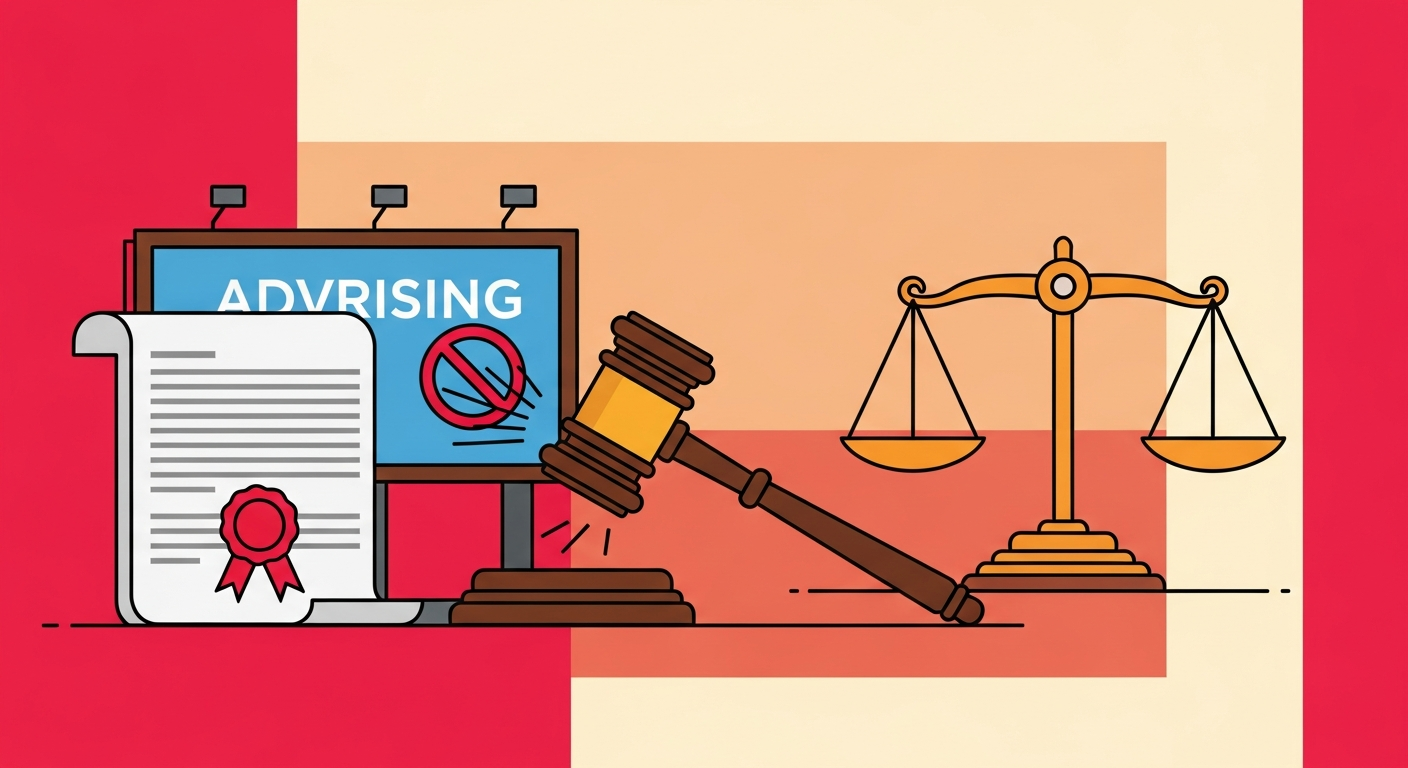

Government Intensifies Scrutiny of TV Channel Ad Practices
In a significant move to strengthen regulatory oversight of the broadcasting sector, the Indian government has directed the Indian Digital Collective (IDC) to conduct comprehensive reviews of advertising code violations allegedly committed by private television channels across the country. The directive underscores the government's commitment to ensuring compliance with established advertising standards and protecting consumer interests in the highly competitive media landscape.
The decision comes amid growing concerns about misleading advertisements, unsubstantiated claims, and content that may violate the Broadcasting Standards Authority guidelines. This intervention marks a notable escalation in the government's regulatory approach toward the television industry, which has long faced scrutiny over advertisement-related transgressions.

IDC's Expanded Mandate and Review Process
The Indian Digital Collective, which has traditionally focused on digital media governance, has now been tasked with examining alleged violations by television broadcasters. The review process is expected to be comprehensive, examining multiple channels and their advertising practices across various time slots and program categories.
According to official sources, the IDC will scrutinize advertisements for potential violations including false health claims, misleading product demonstrations, inappropriate content targeting children, and non-disclosure of material information to consumers. The organization is expected to cross-reference complaints received from viewers and regulatory bodies to identify patterns of non-compliance.
Regulatory Framework and Industry Standards
India's advertising sector operates under multiple regulatory frameworks, including the Advertising Standards Council of India (ASCI) code, the Broadcasting Standards Authority (BSA) guidelines, and various statutory provisions under consumer protection laws. These frameworks are designed to ensure that advertisements are truthful, non-misleading, and socially responsible.
The government's directive to the IDC suggests that existing self-regulatory mechanisms may not be sufficiently effective in preventing violations, prompting the need for more direct government involvement. This move reflects broader concerns about the adequacy of industry self-regulation in maintaining advertising standards.
Private television channels, which generate substantial revenue through advertising, have occasionally faced allegations of broadcasting questionable advertisements, particularly in categories such as health supplements, financial services, and fast-moving consumer goods. The new scrutiny is likely to impact advertising strategies across these sectors.
Industry Response and Implications
The announcement is expected to have significant implications for broadcasters and advertisers alike. Television channels may need to strengthen their internal review mechanisms and implement more stringent vetting procedures for advertisements before broadcast. Advertisers, particularly those in regulated sectors, will likely face increased pressure to ensure compliance with all applicable codes and guidelines.
Industry observers suggest that this regulatory action could lead to stricter enforcement of existing codes, potential penalties for violating channels, and possibly amendments to advertising guidelines. The move also signals the government's intent to prioritize consumer protection over industry convenience, potentially setting a precedent for future regulatory interventions.
Conclusion
The government's directive to the IDC represents a pivotal moment in India's broadcasting regulation. By taking direct action against alleged advertising violations, the government is reinforcing its commitment to maintaining content standards and protecting consumers from misleading advertisements. As the IDC undertakes its review, the television industry will be closely watching for outcomes that could reshape advertising practices across the sector for years to come.
Media Khabar
Staff Writer · Media Khabar