Government Takes Decisive Action Against Digital Piracy
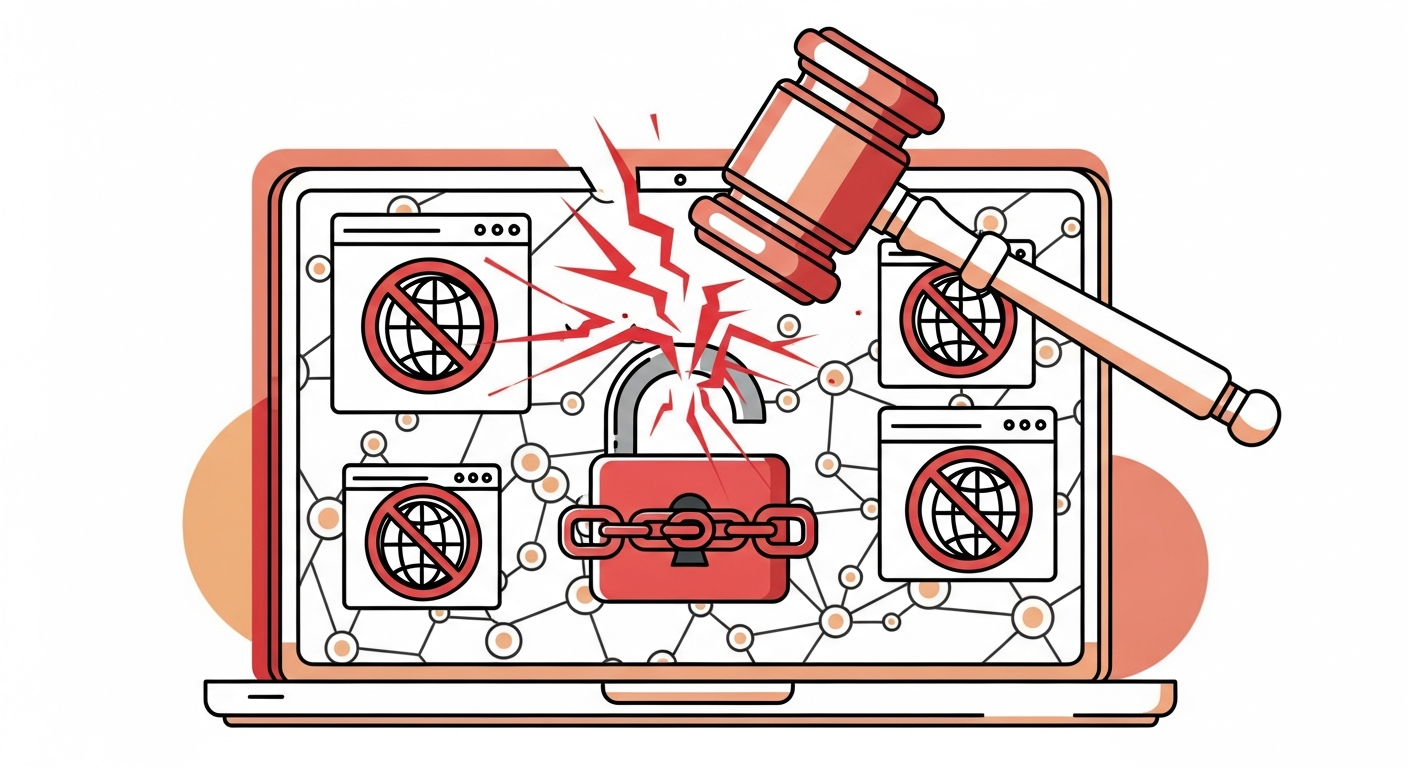
In a significant move to combat online content piracy, the Indian government has ordered Internet Service Providers (ISPs) to block access to 261 websites following a directive from the Delhi High Court in the JioStar piracy case. The action represents one of the largest coordinated efforts to date against illegal streaming and content distribution platforms operating across the country.
The blocking order comes after the Delhi High Court's intervention in the case involving JioStar, a streaming platform that has been actively pursuing legal remedies against piracy. The court's directive has now translated into concrete enforcement action, with the Department of Telecom (DoT) instructing major ISPs to implement the blocks immediately.

Scale and Scope of the Blocking Order
The 261 websites targeted in this operation represent a diverse range of piracy platforms that have been engaged in unauthorized distribution of movies, web series, sports content, and other digital media. These platforms have been operating across various domains and have caused substantial revenue losses to legitimate content creators and streaming services.
Industry sources indicate that the blocked websites were identified through coordinated efforts between content protection agencies, streaming platforms, and law enforcement bodies. The blocking encompasses both direct piracy sites and proxy platforms that were being used to circumvent previous restrictions.
Legal Framework and Court Direction
The Delhi High Court's directive in the JioStar case has established important precedent for tackling digital piracy through institutional mechanisms. The court recognized the scale of the problem and the need for swift, coordinated action across ISP networks to prevent unauthorized access to copyrighted content.
Legal experts suggest that this order demonstrates the judiciary's commitment to protecting intellectual property rights in the digital sphere. The ruling also highlights the responsibility of ISPs as intermediaries in enforcing content protection measures and blocking access to infringing platforms.
Industry Response and Implications
Content creators and streaming platforms have welcomed the government's action. Industry bodies representing filmmakers, production houses, and OTT services have expressed support for the blocking order, viewing it as a crucial step in protecting their intellectual property and revenue streams.
The move is expected to have far-reaching implications for the streaming industry in India. By reducing access to pirated content, legitimate platforms may see improved subscriber retention and revenue growth. However, experts also note that piracy networks are often quick to adapt, using new domains and technologies to continue operations.
The blocking order also signals the government's commitment to enforcing digital rights and supporting the growth of India's content creation industry. As the country's OTT sector continues to expand, such enforcement actions become increasingly important to maintain a healthy competitive ecosystem.
Technical Implementation and Challenges
The implementation of the blocking order requires ISPs to use various technical measures including DNS blocking, IP blocking, and deep packet inspection. However, piracy operators have historically used mirror sites, VPNs, and proxy servers to circumvent such restrictions.
The government and ISPs will need to maintain vigilance and regularly update blocking lists as piracy networks evolve. The order also places significant responsibility on ISPs to ensure compliance while maintaining network infrastructure efficiency.
Conclusion
The government's decision to block 261 piracy websites represents a major escalation in India's fight against digital content theft. With backing from the Delhi High Court and coordinated action across ISP networks, this enforcement action sends a clear message that unauthorized content distribution will not be tolerated. As the digital media landscape continues to evolve, such regulatory interventions will be critical in protecting creators' rights and fostering a sustainable ecosystem for legitimate streaming services.
Media Khabar
Staff Writer · Media Khabar